
Why Collectors Continue to Buy Andrew Jackson Dollar Coins
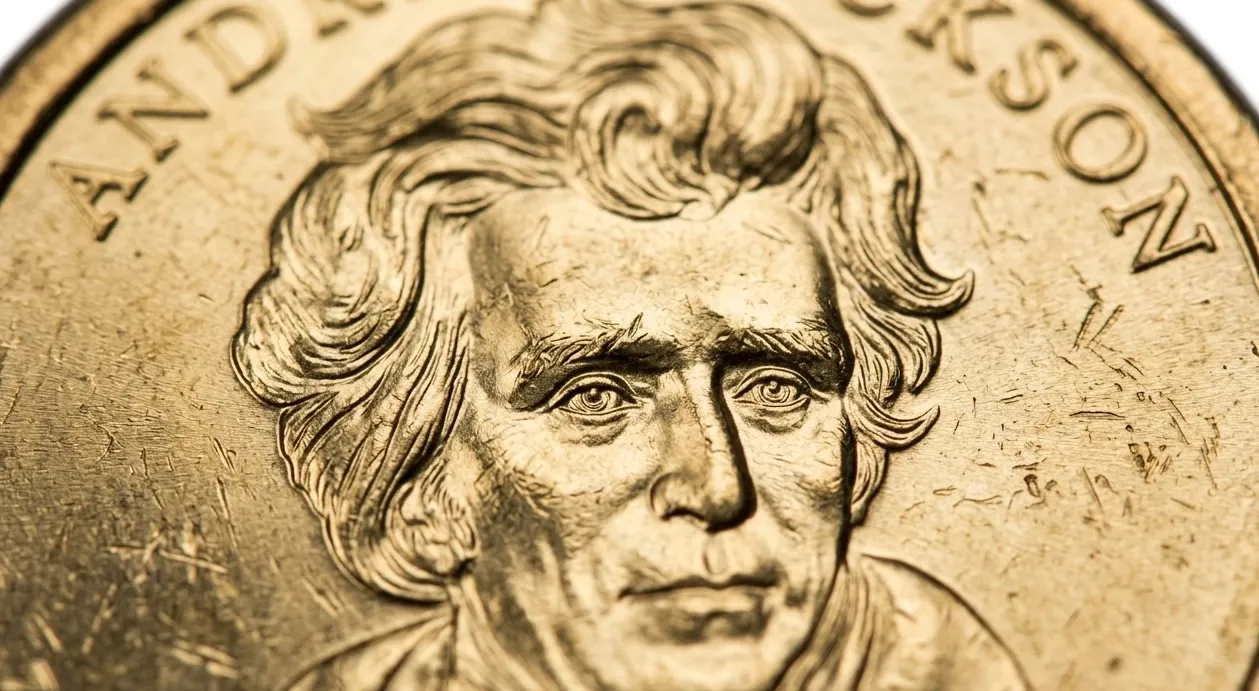
Historical significance drives consistent collector interest in these specific coins.
Production output during the presidential series defines the supply available for acquisition.
Market worth relies on specific conditions, annual issuance patterns, and existing manufacturing variations.
Professional Andrew Jackson Dollar coin collectors prioritize precise technical grading over emotional attachment.
Economic trends demonstrate correlations between broader financial stability and the secondary coin market.
Core Physical Specifications
Attribute | Detail |
Face value | $1 |
Mass | 8.1 grams |
Diameter | 26.5 millimeters |
Thickness | 2 millimeters |
Composition | 88.5% copper, 6% zinc, 3.5% manganese, 2% nickel |
Standardized production requirements ensure uniformity across all presidential releases.
Utilizing a single metric system simplifies the classification process for international collectors.
Issuance and Historical Data
Commencement of production for Andrew Jackson portraits occurred on August 14, 2008.
Government-mandated program limits dictate the overall manufacturing lifespan.
Output originates from facilities located in Philadelphia and Denver.
Total production volume distribution:
Philadelphia Mint: 60,760,000 units
Denver Mint: 61,544,000 units
Balanced production numbers across both major minting facilities support market availability.
Valuation Factors and Price Trends
Sheldon scale grading determines the market price of individual assets.
Samples achieving MS-65 grades or higher maintain premium investment positioning.
Historical pricing data:
2024 price: $3.20 per unit.
2025 price: $3.55 per unit.
2026 price: $4.10 per unit.
Annual value growth averages between 10 and 12 percent.
Primary growth drivers:
Portfolio completion goals
High-grade specimen scarcity
Certified authentication status
Steady secondary market demand
Acquiring specimens graded below MS-60 remains non-viable for yield-focused investment strategies.
Manufacturing Anomalies
Technological deviations during the striking process create unique, high-value assets.
Classification relies on specific mechanical irregularities.
Missing Edge Lettering
Edge inscriptions contain dates and mint marks, occasionally failing to imprint during production.
Deficient edge text dramatically increases auction outcomes.
Market price for such errors reaches $50 or more.
Double Strike Variations
Blank planchets shifting under the die cause image duplication.
Certified double strikes command prices five to seven times higher than standard coins.
Off-Center Strikes
Image misalignment creates rare visual deviations.
Severe misalignment revealing empty planchet space marks high rarity.
Price ranges span from $20 to $100 depending on misalignment percentage.
Strategic Acquisition Framework
Individual purchases incur unnecessary shipping surcharges, negatively impacting returns.
Auction-based set acquisitions represent higher operational efficiency.
Supply-Demand logic:
Rising interest → Higher valuation → Increased market listings
Liquidity reduction cycle:
Poor condition → Price depreciation → Diminished buyer activity
Professional Grading Protocol
Authentication services provided by PCGS or coin value app provide standardized asset validation.
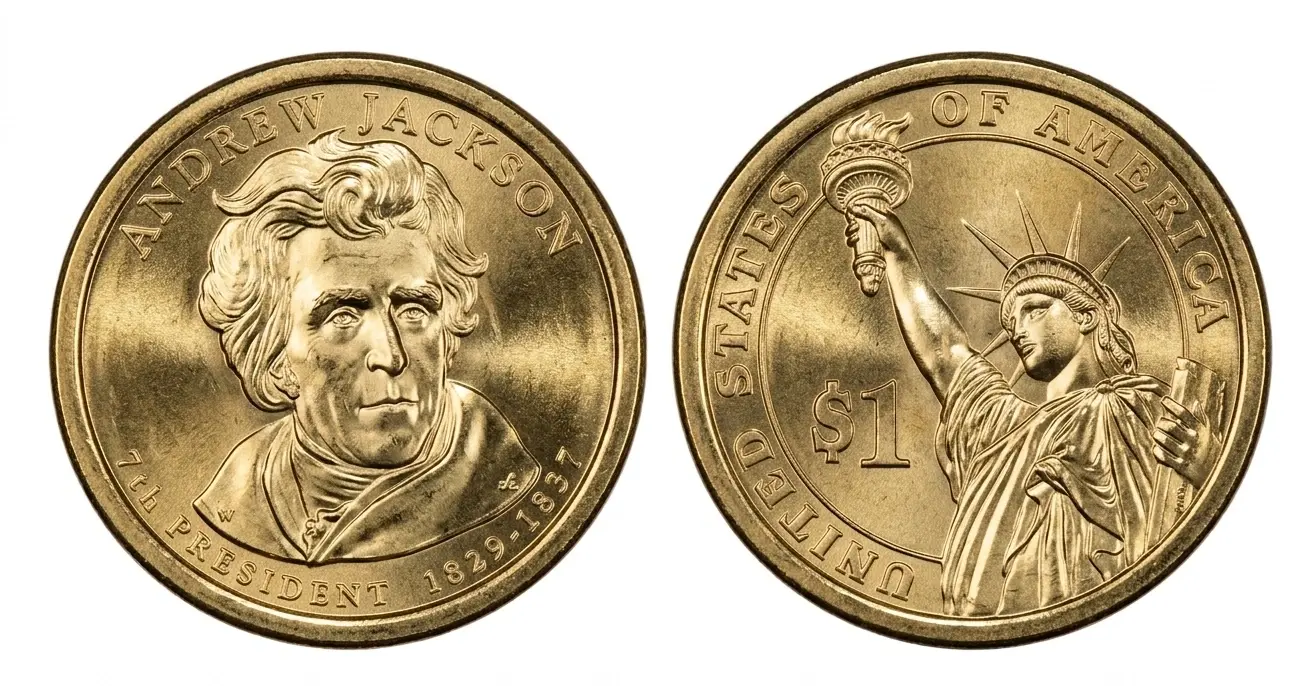
Professional certification mitigates risks associated with counterfeit objects.
Grading service costs often exceed face value, justifying the procedure only for top-tier specimens.
Strategic advantages of certification:
Counterfeit mitigation
Verified state appraisal
Heightened asset liquidity
Uncertified samples sold in high-quality states frequently trade at a 20-30 percent discount.
Minting Facility Influence
Specimens originating in Denver carry the D mark.
Specimens originating in Philadelphia carry the P mark.
Data indicates a 5-8 percent value premium for P-marked coins based on long-term demand metrics.
Common Procurement Errors
Failing to verify edge text often results in overpaying for common specimens.
Systematic verification is mandatory before finalizing any transaction.
Avoidable procurement mistakes:
Skipping edge inspection
Utilizing unauthorized vendors
Ignoring grade requirements
Neglecting expert appraisals
Maintenance and Preservation
Specialized capsules prevent metal degradation from environmental exposure.
Oxidation causes irreversible damage, resulting in significant value loss.
Optimal storage environment:
Neutral polymer capsules
Zero skin contact
Controlled humidity levels
Stable temperature ranges
Long-term Market Outlook
Projections utilize the declining supply of pristine, high-grade samples.
Historical data from the previous 5 years confirms a consistent 5 percent annual appreciation rate.
Expected 2027 valuation: $6.80 per unit.
Expected 2028 valuation: $7.50 per unit.
Expected 2029 valuation: $8.30 per unit.
Numerical Guidance for Collectors
Magnification tools and the coin identifier are critical for pre-purchase inspection.
Examining edge inscriptions prevents the acquisition of compromised assets.
Novice buyers often overlook edge detail, leading to poor capital allocation.
Initial assessment steps:
Visual scan of all sides
Catalog reference check
Documentation of purchase details
Maintaining a structured log of expenses and value shifts allows for professional portfolio management.